
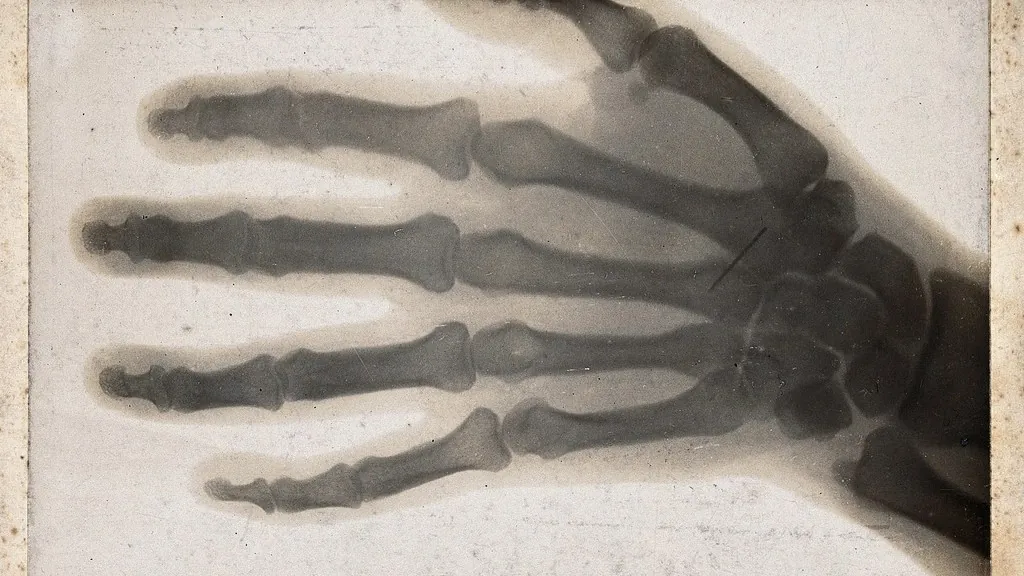
- About 32 million Europeans over 50 have osteoporosis, that is 22% of women and 6.6% of men in this age group (IOF SCOPE, 2021).
- Europe sees 4.3 million fragility fractures a year, and 71% of women who should receive treatment do not get it.
- A study in the Republic of Moldova (2016) estimated osteoporosis in 25.9% of women over 50.
What osteoporosis is and why it is silent
Bone is living tissue that constantly renews itself. After 35–40, bone loss begins to outpace formation, and in women the process accelerates sharply after the menopause. When bone density and quality fall below a certain threshold, we speak of osteoporosis.
The problem is that osteoporosis does not hurt. The first sign is often a fracture from a trivial fall or even without a fall: at the wrist, the vertebrae or the hip. Vertebral fractures can go unnoticed, showing only as loss of height and a stooped back.
Who is at increased risk
Some factors cannot be changed, but knowing them helps you know when to get tested. Others relate to lifestyle and can be corrected.
- Women after the menopause, especially if it occurred before 45
- Age over 65 in women and over 70 in men
- A previous fracture from a fall from standing height
- A parent with a hip fracture
- Corticosteroid treatment for more than 3 months, inflammatory diseases (rheumatoid arthritis), hyperthyroidism, coeliac disease
- Low body weight, smoking, excessive alcohol, inactivity, low calcium intake
DXA bone densitometry: what it is and when to have it
DXA (dual-energy X-ray absorptiometry) is the standard test for measuring bone density at the spine and hip. It takes 10–15 minutes, does not hurt, and the radiation dose is very small, less than a chest X-ray. The result is expressed as a T-score: above -1 is normal, between -1 and -2.5 means osteopenia, and below -2.5 osteoporosis.
DXA is recommended for all women over 65 and men over 70, and earlier for those with risk factors. Your doctor may also use the FRAX calculator, which estimates your fracture risk over the next 10 years based on age, weight, history and, if available, the DXA result.
Calcium and vitamin D: how much and from where
Adults need about 1,000 mg of calcium a day, and women after the menopause and people over 70 need 1,200 mg. The preferred source is food; supplements are added only to cover the gap. Vitamin D is needed for calcium absorption: 800–1,000 IU a day is recommended for older adults, especially in the sunless months, which in Moldova run from October to March.
- Milk, yoghurt, cheese, kefir: 200–300 mg of calcium per serving
- Sardines and tinned salmon with bones, almonds, sesame, broccoli, kale
- Calcium-rich mineral water can make a significant contribution
- Vitamin D: moderate sun exposure, oily fish, egg yolk, supplements after checking blood levels
- Avoid excess salt, large amounts of coffee and fizzy drinks, which increase calcium loss
Movement, fall prevention and treatment
Bone strengthens when it is loaded. Weight-bearing exercise (brisk walking, climbing stairs, dancing) and resistance exercise (light weights, elastic bands) 2–3 times a week stimulate bone formation. Balance exercises such as tai chi reduce the risk of falling, which is the direct cause of most fractures.
When fracture risk is high, medication reduces that risk by 30–70%. Bisphosphonates are the first option for most patients, and for severe cases there are denosumab and treatments that stimulate bone formation. Treatment is monitored by DXA every 1–2 years and reviewed periodically with your rheumatologist.
When to see a doctor
- You have had a fracture after a fall from standing height, at any age after 50
- You have lost more than 3–4 cm in height or your back has started to stoop
- You are a woman after the menopause or a man over 70 and have never had a DXA scan
- You have taken corticosteroids for more than 3 months or have a chronic inflammatory disease
Frequently asked questions
Does osteopenia mean I will definitely get osteoporosis?
No. Osteopenia is a below-average bone density, not a disease. Many people stay in this range all their lives. It is a signal to optimise your diet and exercise and repeat the DXA in 2–3 years.
Are calcium supplements dangerous for the heart?
Calcium from food is safe. For supplements, the evidence is mixed, so it is recommended not to exceed the required dose and to prefer food sources. Talk to your doctor if you have cardiovascular disease.
Do men get osteoporosis?
Yes, about one in five men over 50 will suffer a fragility fracture. In men the disease is less often diagnosed, and hip fractures have more serious consequences.
Sources
- International Osteoporosis Foundation – Key statistics for Europe (SCOPE 2021)
- Bologan V., Ciobanu E. – Reflections on the problem of osteoporosis (conference, 2023; data for the Republic of Moldova)
- WHO – Musculoskeletal health (fact sheet, 2022)
The data presented come from public sources and published scientific studies; they describe populations, not individuals. A diagnosis is made only after a medical consultation. Laromed Clinic updates this page periodically as new data become available.
