
Psoriatic arthritis: symptoms and treatment in Chisinau
About one in three people with psoriasis eventually also develops arthritis. Psoriatic arthritis can affect the fingers, knees, heels or spine and, if left untreated, damages the joints. Recognized in time, it can be well controlled with today's treatments.
Signs and symptoms of psoriatic arthritis
The disease may start with pain and swelling in a few joints, often asymmetrically: one knee, one ankle, a few fingers. A typical sign is a finger swollen along its entire length, from base to tip (dactylitis).
There may also be pain where tendons attach to bone — at the heel or elbow — and inflammatory back pain. Pitted or lifting nails are an important clue.
- a finger or toe swollen “like a sausage”
- pain in the heel or Achilles tendon
- pitted, thickened or lifting nails
- stiffness in the morning or after rest

Diagnosing psoriatic arthritis
There is no single test that confirms the disease. The rheumatologist makes the diagnosis based on an examination of the joints, skin and nails, inflammation tests and imaging.
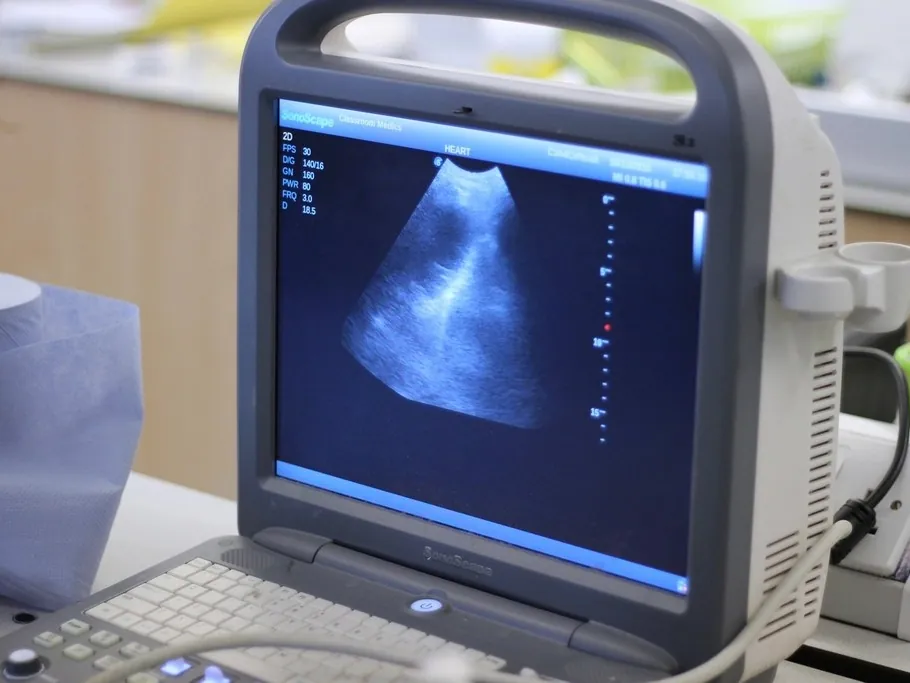
Ultrasound of the joints and tendons shows inflammation early, and X-rays may show typical changes. Rheumatoid factor is usually negative, which helps distinguish it from rheumatoid arthritis.
Psoriatic arthritis treatment
Treatment is chosen according to the form of the disease: disease-modifying drugs such as methotrexate and, in active forms, biologic or targeted therapies that treat the skin at the same time. Intra-articular injections help in a joint that stays inflamed.
The goal is for the joints to be free of inflammation and for the skin to clear as much as possible. Regular check-ups allow treatment to be adjusted in time.

What you can do yourself
A healthy body weight reduces disease activity and makes treatment more effective. Quitting smoking and limiting alcohol help both the skin and the joints.
Daily movement and mobility exercises keep the joints working. Tell your rheumatologist if you also have eye or bowel problems — they may be linked to the same disease.

When to see a rheumatologist
- you have psoriasis and your joints hurt or swell
- you have a finger or toe swollen along its whole length
- your heels hurt in the morning
- you have pitted nails and joint pain
- your back hurts at night and improves with movement
How Laromed Clinic helps
The rheumatologist listens, examines you, reviews the tests you already have and explains in plain words what is happening and what comes next.
- consultation at the clinic in Chisinau or online by video
- joint ultrasound and intra-articular injections
- a written treatment plan and long-term follow-up
- coordination with physiotherapy and other specialties
FAQ: psoriatic arthritis
Can I have psoriatic arthritis without psoriasis on my skin?
Yes. In some patients the arthritis appears before the psoriasis, or the skin lesions are small and hidden (scalp, navel, between the buttocks). Psoriasis in close relatives is also a clue.
Does treatment for the skin also help the joints?
Some treatments, especially biologics, treat both. Skin creams do not help the joints, which is why you also need a rheumatologist.
Can I work normally with psoriatic arthritis?
Yes. With the disease under control, most patients continue their work and usual activities.
Medically reviewed: Dr. Larisa Rotaru, rheumatologist, MD PhD. The information on this page is general and does not replace a medical consultation.
