
Osteoporosis: diagnosis, prevention and treatment in Chisinau
Osteoporosis is the “silent disease” of the bones: bone density falls without any pain, until a simple fall causes a fracture of the hip, a vertebra or the wrist. It can be detected early and treated, and the risk of fractures then drops significantly.

Who is at risk of osteoporosis
The risk rises after menopause, with age and in people with low body weight. Family history matters too: a hip fracture in your mother or father increases your risk.
Some diseases and medicines weaken the bones: long-term corticosteroid treatment, rheumatoid arthritis, thyroid disease, diabetes and bowel disease. Smoking, alcohol and lack of exercise also add to the risk.
- menopause, especially early menopause (before 45)
- corticosteroid treatment for more than 3 months
- fractures from minor falls after the age of 50
- loss of height or a stooped back

Osteoporosis diagnosis: DXA scan and blood tests
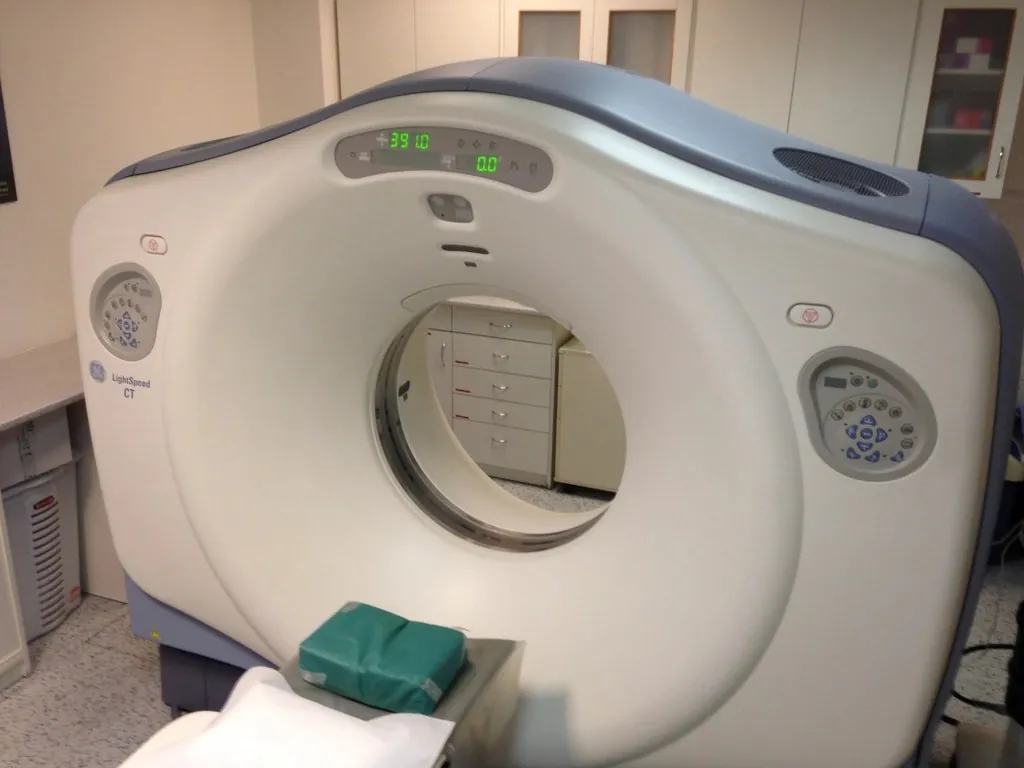
Osteoporosis is diagnosed with a bone density scan (DXA) of the lumbar spine and hip. The result is expressed as a T-score: below −2.5 means osteoporosis, between −1 and −2.5 — osteopenia.
The rheumatologist also calculates your 10-year fracture risk (FRAX) and recommends blood tests to find treatable causes: calcium, vitamin D, and thyroid, kidney and liver function.
Osteoporosis treatment that prevents fractures
Dietary calcium and vitamin D are the foundation, but they are not enough once osteoporosis is present. Osteoporosis medicines — bisphosphonates, denosumab or bone-building treatments — clearly reduce the risk of fracture.
The choice of treatment depends on your age, fracture risk and other conditions. The DXA scan is usually repeated every 1–2 years to see how well the treatment is working.

Exercise and fall prevention
Daily walking, weight-bearing exercises and balance exercises strengthen bones and muscles. Balance training reduces the risk of falling — the main cause of fractures.
At home, simple things matter: secured rugs, good lighting at night, grab bars in the bathroom and stable footwear. Checking your eyesight and any medicines that cause dizziness also reduces the risk of falls.

When to see a rheumatologist
- you are past menopause and have never had a DXA scan
- you have had a fracture from a minor fall
- you have been taking corticosteroids for more than 3 months
- you have lost height or your back has become stooped
- you have rheumatoid arthritis or another inflammatory disease
How Laromed Clinic helps
The rheumatologist listens, examines you, reviews the tests you already have and explains in plain words what is happening and what comes next.
- consultation at the clinic in Chisinau or online by video
- joint ultrasound and intra-articular injections
- a written treatment plan and long-term follow-up
- coordination with physiotherapy and other specialties
FAQ: osteoporosis
Does osteoporosis hurt?
No, not until the first fracture. That is why a DXA scan matters for people at risk, even if they have no pain at all.
Are calcium and vitamin D enough?
For prevention, often yes. Once osteoporosis has been diagnosed, an osteoporosis medicine recommended by your doctor is usually needed as well.
How long does treatment last?
Usually 3–5 years, after which the doctor reassesses the risk. Some treatments are paused temporarily, while others must be continued without a break.
Do men get osteoporosis too?
Yes, especially after 65–70, or if they take corticosteroids, smoke or have other conditions. Hip fractures in men are even more dangerous.
Medically reviewed: Dr. Larisa Rotaru, rheumatologist, MD PhD. The information on this page is general and does not replace a medical consultation.
