
Ankylosing spondylitis: symptoms and treatment in Chisinau
Ankylosing spondylitis (axial spondyloarthritis) is an inflammatory disease of the spine and the sacroiliac joints. It usually starts before the age of 40, with back pain that gets worse with rest and better with movement. The diagnosis is often delayed for years — even though today's treatment is very effective.
Inflammatory back pain — how to recognize it
Unlike “mechanical” back pain, the pain of spondylitis comes on gradually, lasts more than three months, is worse at night and in the morning, and improves after movement or a warm shower. Many patients wake up in the second half of the night because of the pain.
The disease can also affect other areas: the heels (the Achilles tendon), the knees, the eyes (uveitis — a red, painful eye) or the bowel.
- pain in the lower back or buttocks, alternating between right and left
- prolonged morning stiffness
- improvement with movement, worsening with rest
- heel pain or episodes of a red eye
Diagnosis: MRI, HLA-B27 and spine examination
The rheumatologist examines the mobility of your spine and joints and asks about the nature of the pain. Blood tests include inflammation markers and the HLA-B27 antigen, which is present in most patients (but also in many healthy people).
An MRI of the sacroiliac joints shows inflammation in the first years of the disease, when X-rays are still normal. That is why a young person with inflammatory back pain deserves to be assessed by a rheumatologist, not just treated with painkillers.
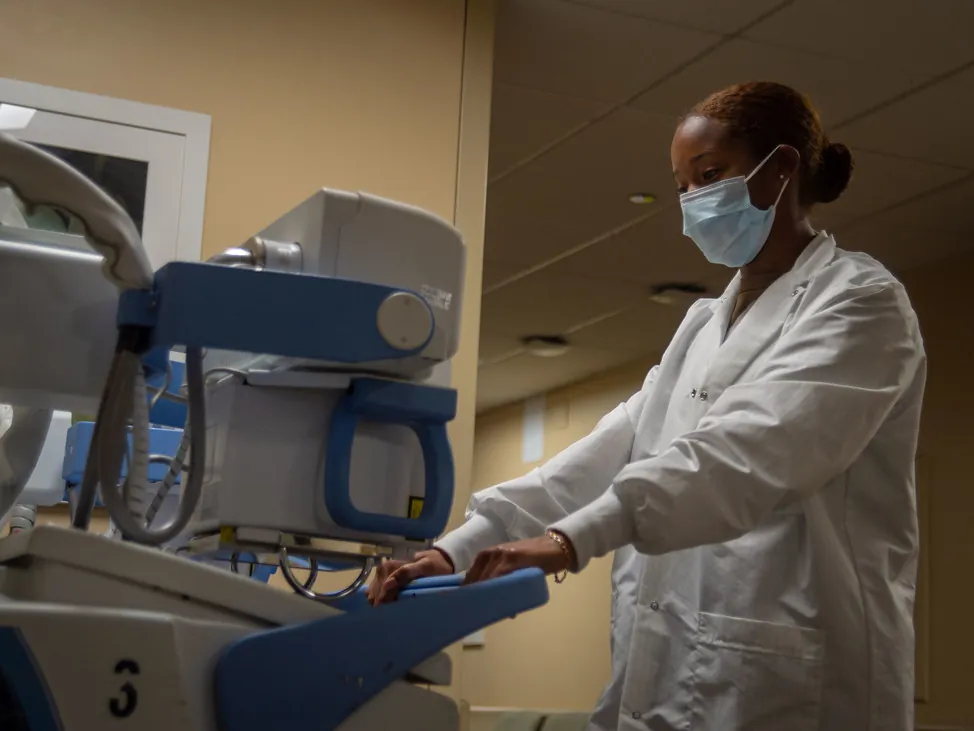
Ankylosing spondylitis treatment
Non-steroidal anti-inflammatory drugs (NSAIDs), taken correctly, reduce pain and stiffness in most patients. When the disease remains active, biologic therapies (anti-TNF, anti-IL-17) can transform quality of life.
Treatment is adjusted at regular check-ups, based on disease activity scores and blood tests. The goal is for the patient to keep an upright posture and good mobility.
Daily exercise and posture
Movement is as important as medication: stretching, breathing and posture exercises done every day keep the spine mobile. Swimming is one of the most suitable sports.
Quitting smoking matters a lot — smoking worsens the disease and reduces the effect of treatment. A firm mattress and a low pillow help maintain good posture during sleep.

When to see a rheumatologist
- you are under 45 and have had back pain for more than 3 months
- the pain wakes you at night and eases after movement
- you have had episodes of a red, painful eye (uveitis)
- your heels hurt or you have a finger or toe swollen “like a sausage”
- you have psoriasis or inflammatory bowel disease and back pain
How Laromed Clinic helps
The rheumatologist listens, examines you, reviews the tests you already have and explains in plain words what is happening and what comes next.
- consultation at the clinic in Chisinau or online by video
- joint ultrasound and intra-articular injections
- a written treatment plan and long-term follow-up
- coordination with physiotherapy and other specialties
FAQ: ankylosing spondylitis
If I am HLA-B27 positive, do I have spondylitis?
Not necessarily. Many healthy people carry HLA-B27. The diagnosis is made only from a combination of symptoms, examination, blood tests and imaging.
Can the “fusing” of the spine be stopped?
Modern treatment and daily exercise greatly reduce the risk of the spine stiffening. The earlier treatment starts, the more mobile the spine stays.
Can I work and play sports?
Yes. Regular physical activity is recommended; only sports with a high risk of impact should be avoided if the disease is advanced.
Which doctor treats ankylosing spondylitis?
A rheumatologist makes the diagnosis and manages the treatment, working together with a physiotherapist and, when needed, an ophthalmologist.
Medically reviewed: Dr. Larisa Rotaru, rheumatologist, MD PhD. The information on this page is general and does not replace a medical consultation.
