
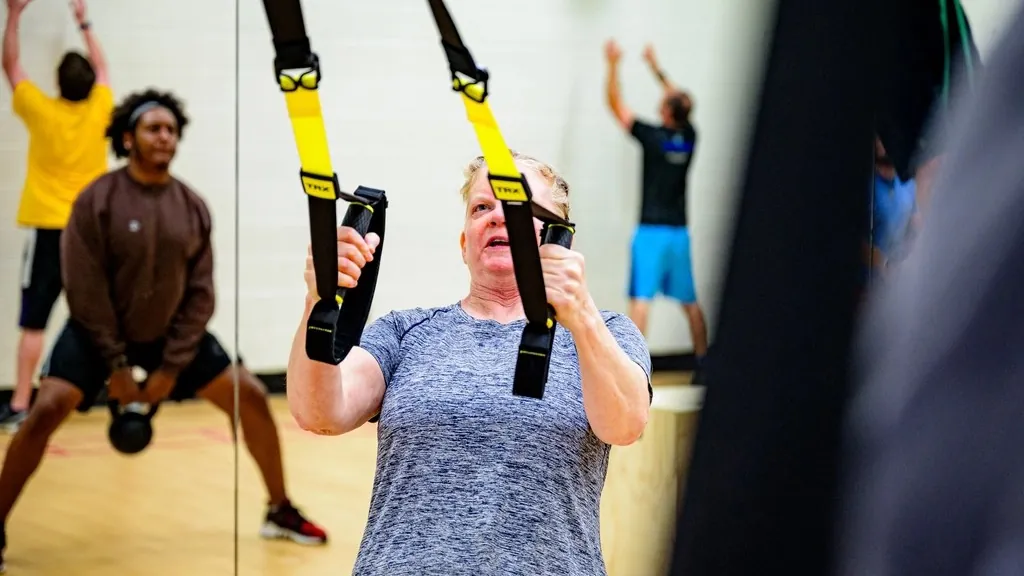
- WHO recommends adults do 150–300 minutes of moderate physical activity a week, plus strength exercises twice a week.
- About 39% of the disability caused by low back pain is linked to modifiable factors: smoking, excess weight and occupational factors (Lancet Rheumatology, 2023).
- Smoking accounts for about 7% of the global burden of rheumatoid arthritis.
Why movement is the best medicine for your joints
Cartilage has no blood vessels; it is nourished by joint fluid, which only circulates when the joint moves. Strong muscles stabilise the joint and absorb shocks, and ligaments keep their elasticity through use. It is inactivity, not movement, that ages the joints.
The good news is that you do not need a gym or equipment. Brisk walking, climbing stairs, gardening and dancing all count. What matters is regularity and combining three types of movement: aerobic, strength and mobility.
A simple weekly programme
Here is an example programme for someone without active joint disease. If you have a rheumatology diagnosis, adapt it together with your doctor or physiotherapist.
- Aerobic: 30 minutes of brisk walking, cycling or swimming, 5 days a week; you can split it into 10-minute bouts
- Strength: 2 days a week, 8–10 exercises for the major muscle groups (wall squats, wall push-ups, calf raises, elastic bands), 10–15 repetitions
- Mobility and balance: 5–10 minutes daily of gentle stretching; standing on one leg, tai chi or gentle yoga
- Progression: increase duration or intensity by no more than 10% a week
- Warm up for 5 minutes before and stretch gently after every session
Weight and diet
Every extra kilogram presses on the knee with a force of 3–4 kilograms when walking, and more when climbing stairs. Fat tissue also produces inflammatory substances that affect the joints from the inside. Losing 5–10% of body weight reduces knee pain and the risk of gout and osteoarthritis.
There is no miracle anti-arthritis diet, but a Mediterranean-style pattern, rich in vegetables, fruit, legumes, fish, olive oil and nuts, is associated with lower levels of inflammation. Limit sugar, sweetened drinks, ultra-processed foods and excess alcohol.
Smoking, sleep and stress
Smoking is one of the best-documented risk factors for rheumatoid arthritis and worsens the course of ankylosing spondylitis, lupus and osteoporosis. It also reduces the effectiveness of many treatments. Quitting is probably the most valuable thing you can do for your joints if you smoke.
Insufficient sleep amplifies pain perception and promotes inflammation. Seven to eight hours a night, at regular times, is not a luxury. Chronic stress works in a similar way; deep breathing, walks and social contact are real tools, not just common-sense advice.
Your joints at the desk and around the house
Much back, neck and wrist pain comes from positions held for hours on end. A few simple adjustments prevent overload without changing your life.
- Get up and move for 2–3 minutes every 45–60 minutes of sitting
- Screen at eye level, elbows at 90 degrees, feet flat on the floor
- Lift with your knees, back straight and the object close to your body
- When gardening or cleaning, alternate tasks and use long-handled tools
- Comfortable, supportive shoes for prolonged standing
When to see a doctor
- Joint pain appears after exercise and lasts more than 48 hours
- A joint swells or turns red after exertion
- You have back pain that eases with movement and wakes you at night
- You want an exercise programme adapted to an already diagnosed rheumatic disease
Frequently asked questions
Does running destroy your knees?
No, in healthy people recreational running does not increase the risk of osteoarthritis and may even lower it. Problems arise with very high volumes, sudden increases in intensity or on already damaged joints.
Does cracking your knuckles cause arthritis?
No. The sound is produced by gas bubbles in the joint fluid, and studies have found no link with arthritis. If, however, the cracking comes with pain or swelling, it is worth an assessment.
Do collagen or glucosamine supplements help?
The evidence is weak and inconsistent. They are not dangerous, but they do not replace movement, weight control and medical treatment. Ask your doctor before spending money on them.
Sources
- WHO – Musculoskeletal health (fact sheet, 2022)
- GBD 2021 – Global, regional, and national burden of low back pain, 1990–2020, projections to 2050 (Lancet Rheumatology, 2023)
- GBD 2021 – Global, regional, and national burden of rheumatoid arthritis, 1990–2020 (Lancet Rheumatology, 2023)
The data presented come from public sources and published scientific studies; they describe populations, not individuals. A diagnosis is made only after a medical consultation. Laromed Clinic updates this page periodically as new data become available.
