
Reactive arthritis: arthritis after an infection — treatment in Chisinau
Reactive arthritis develops a few weeks after a bowel infection (diarrhea) or a urogenital infection. The germ is not in the joint — the immune system “reacts” and inflames the knees, ankles or heels. In most patients the disease clears up completely within a few months.

Reactive arthritis symptoms and the link with infection
Typically, a young person has diarrhea or a urinary/genital infection, and a few weeks later develops asymmetric pain and swelling — one knee, one ankle, a few toes. The heels and the Achilles tendon may also be painful.
There may be red eyes (conjunctivitis or uveitis), burning when urinating and lesions on the skin or mucous membranes.
- swollen joints in the legs, on one side more than the other
- pain in the heel or Achilles tendon
- red, painful eyes
- diarrhea or a urinary infection in recent weeks
Diagnosing reactive arthritis
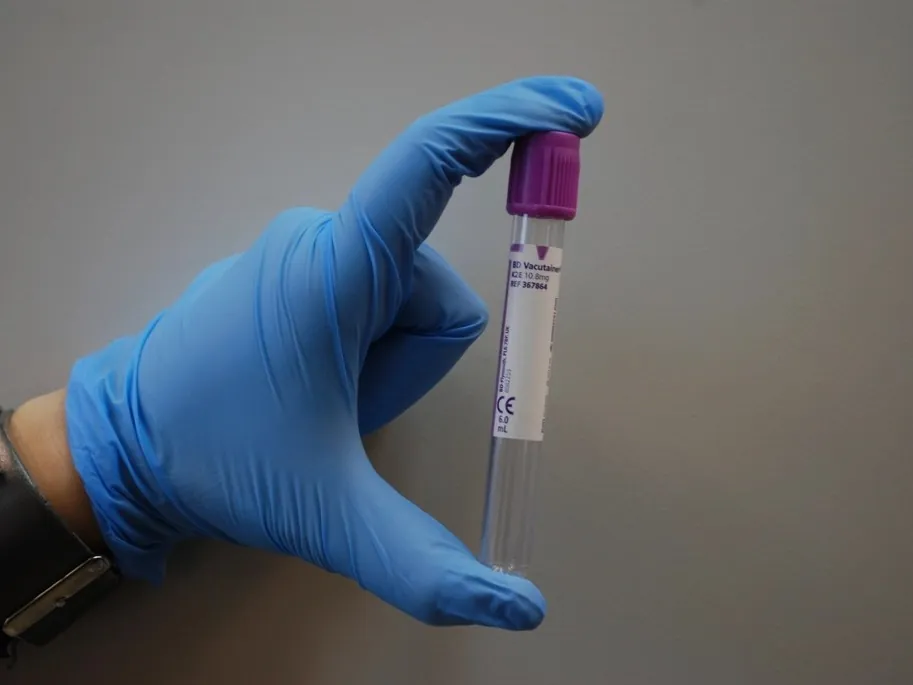
The rheumatologist relies on the history of a recent infection and on the examination. Blood tests show inflammation, and tests for germs (in stool, urine or discharge) can identify the triggering infection.
Sometimes joint aspiration (arthrocentesis) with analysis of the fluid is performed to rule out an infection inside the joint or gout.
Reactive arthritis treatment
Anti-inflammatories reduce pain and swelling; an injection into a swollen knee brings quick relief. If the infection is still active (especially a urogenital one), it is treated with antibiotics — including the partner, if needed.
If the arthritis lasts more than a few months, the doctor may recommend a disease-modifying drug such as sulfasalazine.

Recovery
Relative rest in the acute phase, followed by mobility and strengthening exercises, helps you recover fully. Good food hygiene and safe sex reduce the risk of a new triggering infection.
People who are HLA-B27 positive have a higher risk of the disease coming back or lasting longer — check-ups with a rheumatologist are important.

When to see a rheumatologist
- a knee or ankle has swollen after diarrhea or a urinary infection
- your heels hurt and you also have red eyes
- the joint has been warm and swollen for more than a few days
- you have a fever and a swollen joint (urgent — it may be an infection in the joint)
- the pain has not gone away after 6 weeks
How Laromed Clinic helps
The rheumatologist listens, examines you, reviews the tests you already have and explains in plain words what is happening and what comes next.
- consultation at the clinic in Chisinau or online by video
- joint ultrasound and intra-articular injections
- a written treatment plan and long-term follow-up
- coordination with physiotherapy and other specialties
FAQ: reactive arthritis
Is reactive arthritis contagious?
The arthritis itself is not contagious. The infection that triggered it may be, which is why it is treated while it is still active.
Does it go away completely?
In most patients, yes, within 3–12 months. In some, the disease comes back or becomes chronic and needs disease-modifying treatment.
Do antibiotics help the arthritis?
Antibiotics treat an active infection, but usually do not shorten the arthritis. The arthritis is treated with anti-inflammatories and, if needed, joint injections.
Medically reviewed: Dr. Larisa Rotaru, rheumatologist, MD PhD. The information on this page is general and does not replace a medical consultation.
