
Gout: gout attacks, uric acid and treatment in Chisinau
Gout occurs when uric acid is deposited as crystals in the joints. An attack comes on suddenly, often at night: the joint becomes red, hot and so painful that even the touch of a bedsheet is unbearable. The good news: gout is one of the rheumatic diseases that can be controlled best.
What a gout attack looks like: symptoms
The pain usually starts at night or in the early morning and peaks within a few hours. The joint swells, the skin turns red-purple and shiny, and any touch hurts. Without treatment the attack settles on its own in 1–2 weeks — but it comes back.
Besides the big toe, gout can affect the ankle, knee, elbow or wrist. After years of untreated disease, tophi appear — whitish lumps of uric acid under the skin.
- sudden, very intense pain in a single joint
- redness, warmth and swelling
- attacks triggered by alcohol, heavy meals or dehydration
Uric acid and gout diagnosis
The diagnosis is based on the clinical picture and blood tests: blood uric acid, inflammation markers and kidney function. Note: during an attack, uric acid can even come back normal.
Joint ultrasound can show crystal deposits, and analysis of the joint fluid confirms the diagnosis with certainty. The doctor also checks for associated conditions — blood pressure, blood sugar, cholesterol and kidneys.
Treating a gout attack and long-term gout treatment
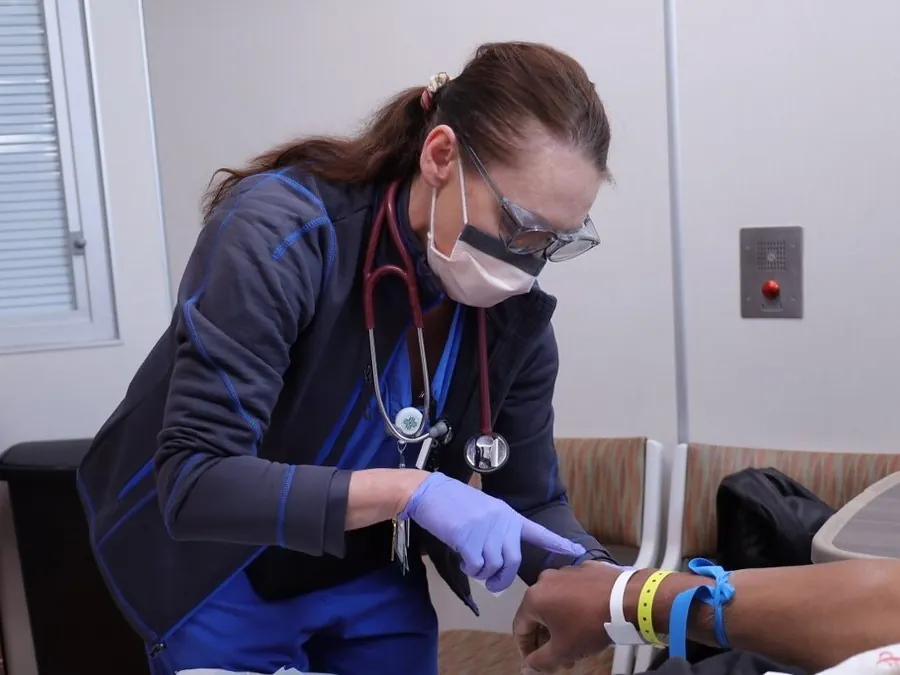
An attack should be treated as early as possible with anti-inflammatories, colchicine or corticosteroids, depending on your other conditions. Resting the joint and cold compresses help.
To stop the attacks from coming back, the doctor recommends uric acid–lowering treatment (usually allopurinol or febuxostat), taken daily, with the dose adjusted according to blood tests. This treatment is not stopped once the pain goes away — it gradually dissolves the crystals.

Gout diet: what really helps
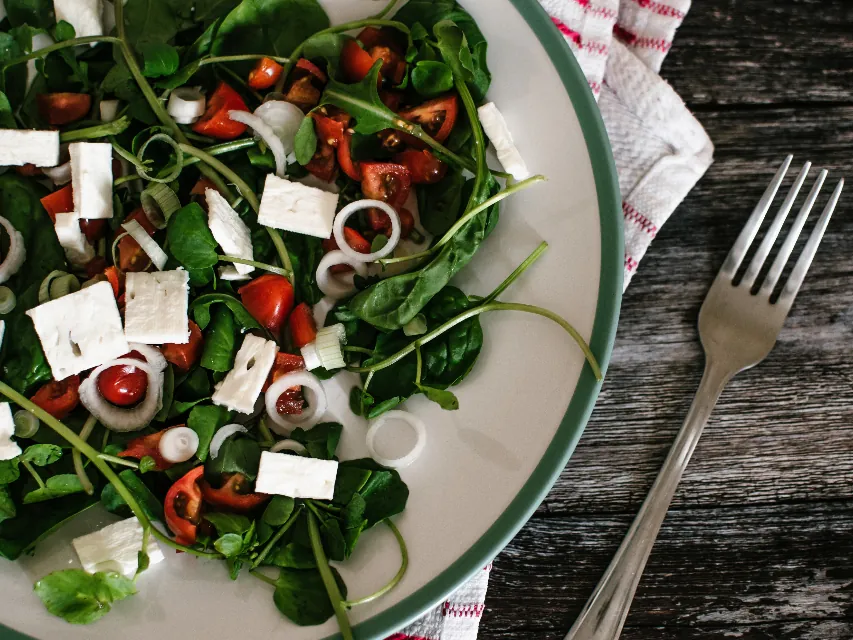
Diet alone is rarely enough, but it matters. Cut down on red meat, organ meats (liver, kidneys), seafood, beer and fructose-sweetened drinks. Low-fat dairy, vegetables, whole grains and plenty of water are your allies.
Losing weight and controlling blood pressure and blood sugar also lower uric acid. Alcohol, especially beer and spirits, is one of the most common triggers of attacks.
- drink 2 liters of water a day, if your kidneys and heart allow
- avoid beer, organ meats, processed meats and sugary drinks
- choose low-fat dairy, vegetables, eggs and white fish
When to see a rheumatologist
- you have had an attack of sudden pain in your big toe or ankle
- your blood tests show high uric acid
- attacks recur several times a year
- you have noticed lumps under the skin on your fingers or elbows
- you also have kidney disease or kidney stones
How Laromed Clinic helps
The rheumatologist listens, examines you, reviews the tests you already have and explains in plain words what is happening and what comes next.
- consultation at the clinic in Chisinau or online by video
- joint ultrasound and intra-articular injections
- a written treatment plan and long-term follow-up
- coordination with physiotherapy and other specialties
FAQ: gout
Do I have to take allopurinol for life?
In most cases, yes — the treatment keeps uric acid at the target level and prevents new crystals from forming. The dose is set and adjusted by the doctor based on blood tests.
Can I start allopurinol during an attack?
That is your doctor's decision. Usually the treatment is started or continued with protection against attacks (colchicine or an anti-inflammatory), so that it does not trigger a new flare.
Is gout caused only by food?
No. Genetics and kidney function play a big role. Diet helps, but most patients also need medication.
What should I do at home when an attack starts?
Rest, keep the foot raised, apply cold compresses and take the anti-inflammatory your doctor has previously recommended. If it is your first attack or you have a fever, book an appointment with a rheumatologist as soon as possible.
Medically reviewed: Dr. Larisa Rotaru, rheumatologist, MD PhD. The information on this page is general and does not replace a medical consultation.
