
Rheumatoid arthritis: symptoms, diagnosis and treatment in Chisinau
Rheumatoid arthritis is an autoimmune disease in which the immune system attacks the membrane that lines the joints. Left untreated, it can destroy the joints within a few years; treated early, it can be kept under control, and most patients keep their hands working and their lives active.

Early symptoms of rheumatoid arthritis
The disease usually starts quietly: pain and swelling in the small joints of the hands (the knuckles and wrists) and feet, on both sides of the body. In the morning the hands feel “stiff”, and movement returns slowly, after half an hour or more.
Many patients also feel tired, generally unwell or have a low-grade fever. Because the symptoms come and go, they are often blamed on overwork or the weather — and precious time is lost.
- symmetrical swelling of the finger joints and wrists
- morning stiffness lasting more than 30 minutes
- difficulty making a fist or opening a jar
- fatigue and unexplained weight loss

How rheumatoid arthritis is diagnosed
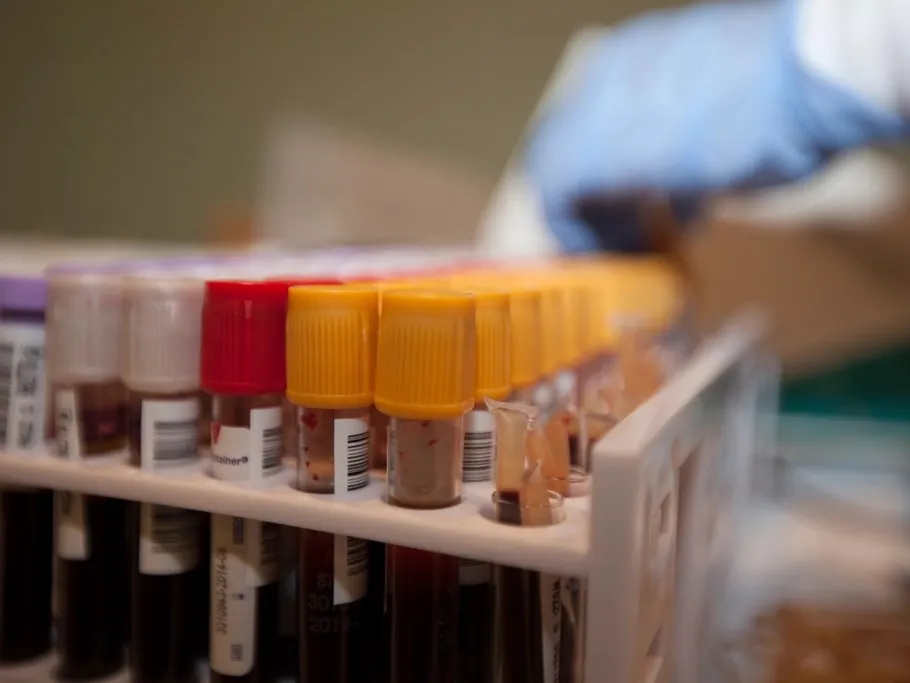
The diagnosis is made by a rheumatologist, based on a joint examination and blood tests. The most important are rheumatoid factor (RF) and anti-CCP antibodies, together with markers of inflammation — ESR and C-reactive protein.
Joint ultrasound shows inflammation even before a joint looks swollen, and X-rays of the hands and feet show whether erosions have already appeared. The earlier the diagnosis, the better the results of treatment.
- blood tests: RF, anti-CCP, ESR, C-reactive protein, complete blood count
- joint ultrasound to detect “hidden” inflammation
- X-rays of the hands and feet
Rheumatoid arthritis treatment
The goal of treatment is remission: no inflamed joints, no pain, no joint damage. The cornerstone is disease-modifying drugs (DMARDs, most often methotrexate), which calm the immune system. When these are not enough, biologic or targeted therapies are added.
Anti-inflammatory drugs and low-dose corticosteroids help in the short term, until the disease-modifying treatment takes effect. An intra-articular injection into a joint that stays inflamed can bring quick relief.

Living with rheumatoid arthritis
Regular check-ups with your rheumatologist — every 1–3 months at first, then less often — allow doses to be adjusted before the disease causes damage. Follow-up blood tests monitor both the disease and the safety of treatment.
Daily movement, hand exercises, quitting smoking and a healthy weight matter as much as the tablets. Most patients who stick to their treatment continue to work and keep up their usual activities.
When to see a rheumatologist
- you have had swollen joints for more than 6 weeks
- the small joints of both hands hurt
- in the morning it takes you more than 30 minutes to “loosen up”
- your blood tests show positive RF or anti-CCP
- rheumatoid arthritis runs in your family
How Laromed Clinic helps
The rheumatologist listens, examines you, reviews the tests you already have and explains in plain words what is happening and what comes next.
- consultation at the clinic in Chisinau or online by video
- joint ultrasound and intra-articular injections
- a written treatment plan and long-term follow-up
- coordination with physiotherapy and other specialties
FAQ: rheumatoid arthritis
Can rheumatoid arthritis be cured?
It is a chronic disease, but with the right treatment remission is achievable — a state with no symptoms and no disease progression. Many patients live for years without flare-ups.
Is methotrexate dangerous?
It is one of the most thoroughly studied drugs in rheumatology. With the recommended monitoring blood tests and the folic acid prescribed by your doctor, it is safe for the vast majority of patients.
Can I have rheumatoid arthritis with negative blood tests?
Yes. About one in three patients is rheumatoid factor negative. The diagnosis is based on the examination, ultrasound and how the disease develops, not on blood tests alone.
Which tests should I have before the appointment?
If you already have them: complete blood count, ESR, C-reactive protein, rheumatoid factor and anti-CCP. If not, the doctor will tell you exactly what is needed, so you avoid unnecessary tests.
Medically reviewed: Dr. Larisa Rotaru, rheumatologist, MD PhD. The information on this page is general and does not replace a medical consultation.
