
Systemic lupus erythematosus: symptoms and treatment in Chisinau
Systemic lupus erythematosus (SLE) is an autoimmune disease that can affect the skin, joints, kidneys, blood and other organs. It occurs mainly in young women and runs a course of flares alternating with quiet periods. When properly diagnosed and monitored, lupus allows an almost normal life, including planned pregnancies.

Lupus symptoms
Lupus has “many faces”. The most common signs are joint pain and swelling, severe fatigue, unexplained fever and skin rashes — typically a “butterfly” redness across the cheeks and nose that appears or worsens in the sun.
There may also be hair loss, mouth ulcers, fingers that turn white in the cold (Raynaud's phenomenon), chest pain when breathing, or swollen legs when the kidneys are affected.
- joint pain and marked fatigue
- a rash on the cheeks, sensitivity to sunlight
- fever, hair loss, mouth ulcers
- foamy urine or swelling (a sign of kidney involvement)

Lupus diagnosis: ANA, anti-dsDNA and urine tests
The diagnosis is made by a rheumatologist, from the combination of symptoms and test results. Antinuclear antibodies (ANA) are the screening test; anti-double-stranded DNA (anti-dsDNA) and anti-Sm antibodies are more specific.
A complete blood count, complement (C3, C4), creatinine and urinalysis show whether the disease is affecting the blood or kidneys. A positive ANA on its own, without symptoms, does not mean lupus.
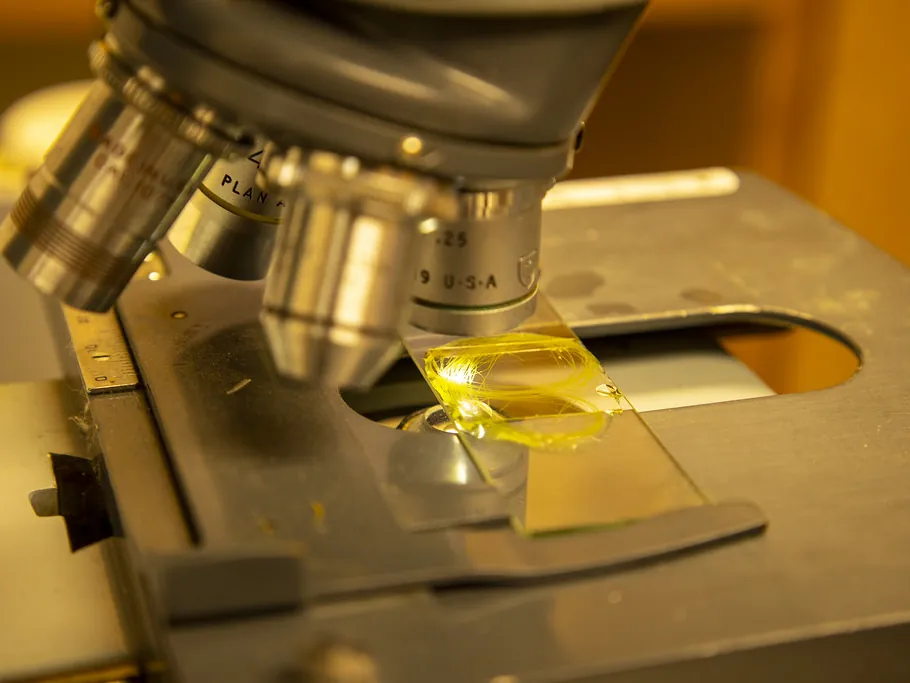
Lupus treatment and long-term follow-up
Hydroxychloroquine is recommended for almost all patients: it reduces flares and protects the organs. In more serious flares, corticosteroids, immunosuppressants or biologic therapies are used, with the aim of keeping the corticosteroid dose as low as possible.
Regular check-ups — with blood and urine tests — make it possible to detect a flare or kidney involvement early, before symptoms appear.
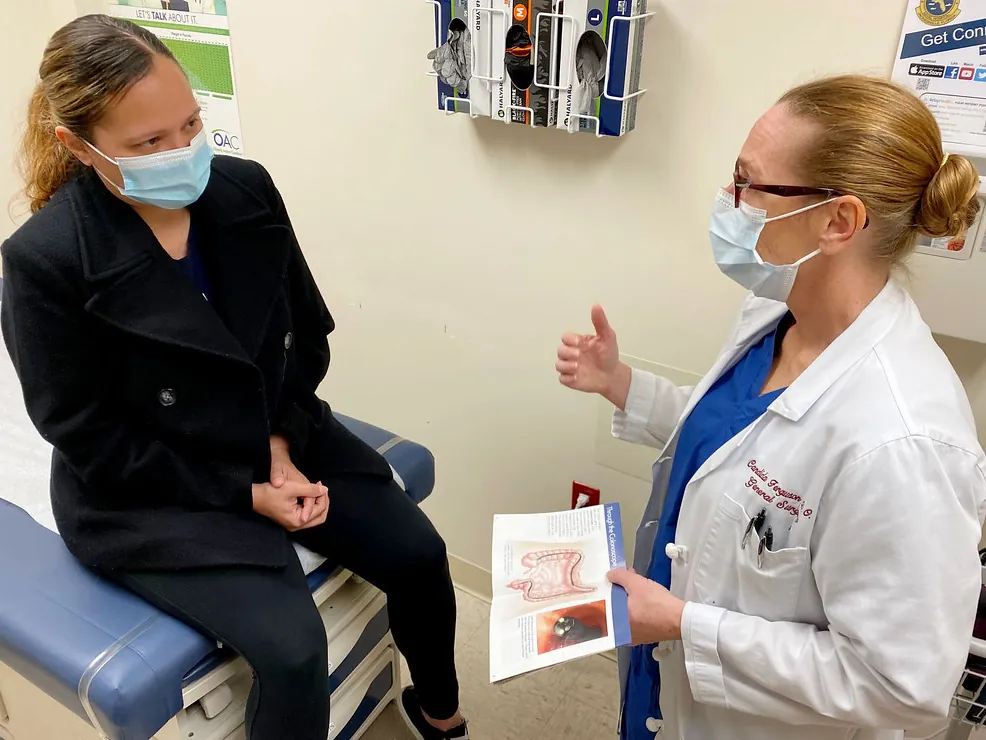
Living with lupus: sun, pregnancy, rest
Daily sun protection (SPF 50, a hat, avoiding the midday sun) reduces skin and general flares. Enough rest, moderate exercise and quitting smoking help keep the disease under control.
Pregnancy is possible, but it should be planned together with your rheumatologist, during a period when the disease is quiet and with medicines that are compatible with pregnancy.

When to see a rheumatologist
- you have joint pain and rashes that appear in the sun
- you have had unexplained fever and fatigue for several weeks
- your blood tests show a positive ANA
- your fingers turn white or blue in the cold
- you have had repeated pregnancy losses
How Laromed Clinic helps
The rheumatologist listens, examines you, reviews the tests you already have and explains in plain words what is happening and what comes next.
- consultation at the clinic in Chisinau or online by video
- joint ultrasound and intra-articular injections
- a written treatment plan and long-term follow-up
- coordination with physiotherapy and other specialties
FAQ: systemic lupus erythematosus
Is lupus contagious?
No. Lupus is an autoimmune disease, not an infection, and it cannot be passed from one person to another.
I have a positive ANA — does that mean I have lupus?
Not necessarily. ANA can also be positive in healthy people or in other diseases. A rheumatologist interprets the result together with your symptoms and other tests.
Does hydroxychloroquine affect the eyes?
Rarely, after many years of treatment. That is why an eye examination is recommended at the start and then every year after 5 years of treatment.
Can I have children if I have lupus?
Yes, most women with lupus can have successful pregnancies if the pregnancy is planned with their rheumatologist and the disease has been quiet for at least 6 months.
Medically reviewed: Dr. Larisa Rotaru, rheumatologist, MD PhD. The information on this page is general and does not replace a medical consultation.
