
Knee and hip osteoarthritis: symptoms and treatment in Chisinau
Osteoarthritis is the most common joint disease: the cartilage covering the ends of the bones becomes thinner, and the joint hurts when you walk, climb stairs or after exertion. It is not just “a disease of old age” — and a lot can be done to ease the pain and keep you walking freely.
Osteoarthritis symptoms
At first, the pain appears only after exertion and eases with rest. Over time, the joint also hurts during the first steps after sitting (“start-up pain”), and movement becomes more limited. Cracking, swelling after activity and joint deformity may appear.
In the hands, osteoarthritis causes nodules on the finger joints; in the hip, the pain is often felt in the groin and radiates down towards the knee.
- pain when walking or going up or down stairs
- brief stiffness in the morning or after rest (under 30 minutes)
- cracking and a “grinding” sensation in the joint
- knee swelling after activity
Diagnosing osteoarthritis: examination, X-ray, ultrasound
The rheumatologist examines the joint, your gait and mobility, and rules out other causes of pain — inflammatory arthritis, gout or a meniscus problem.
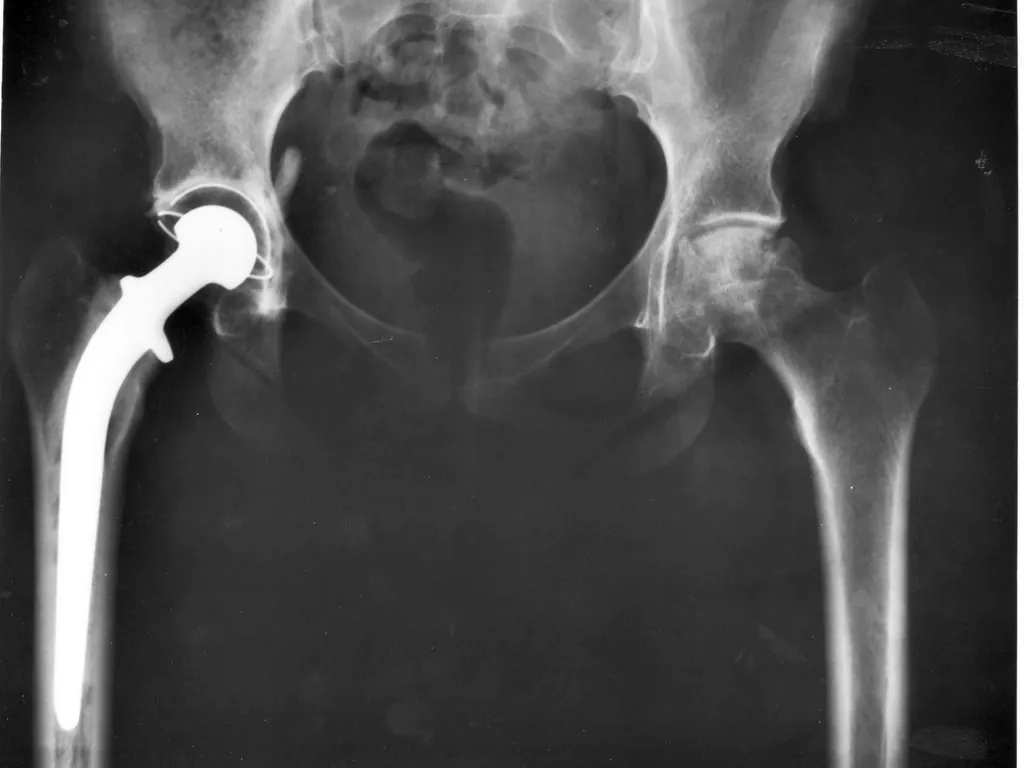
An X-ray shows narrowing of the joint space and osteophytes (bone spurs), while ultrasound shows fluid in the joint and the condition of the surrounding tissues. Blood tests mainly help rule out other diseases.
Joint injections and pain treatment for osteoarthritis
Treatment is chosen according to the stage: topical or oral anti-inflammatories for short periods, supplements if your doctor recommends them and, when the joint is inflamed, intra-articular injections.
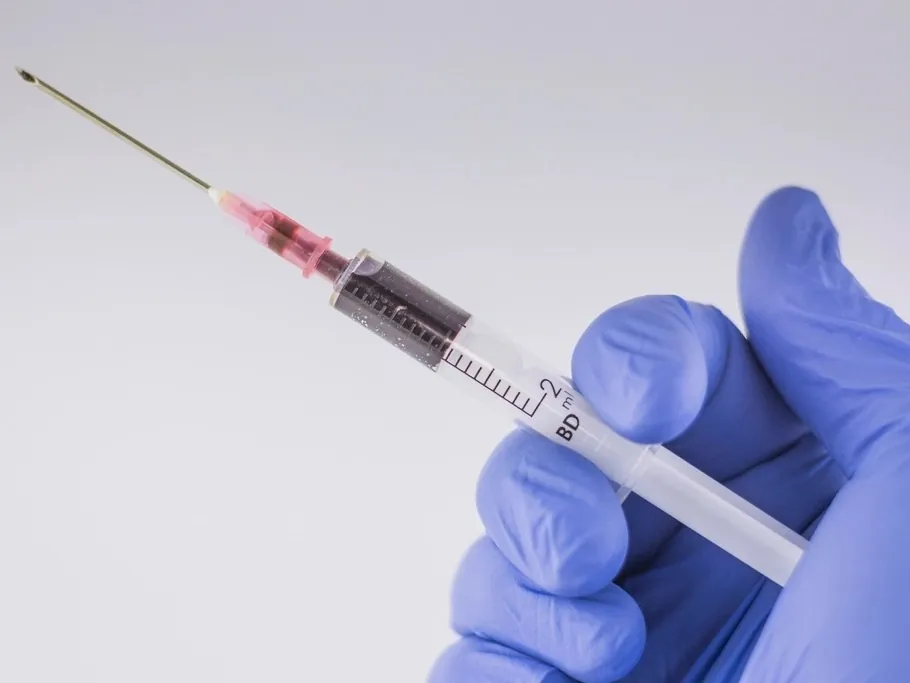
Corticosteroid injections quickly calm a flare of pain and swelling, while hyaluronic acid injections can improve mobility for several months. They are performed by the rheumatologist under sterile conditions, usually guided by experience or ultrasound.
- intra-articular injections with a corticosteroid or hyaluronic acid
- short-term anti-inflammatory treatment
- braces or a walking stick, when helpful
Exercise and weight — the best long-term treatment
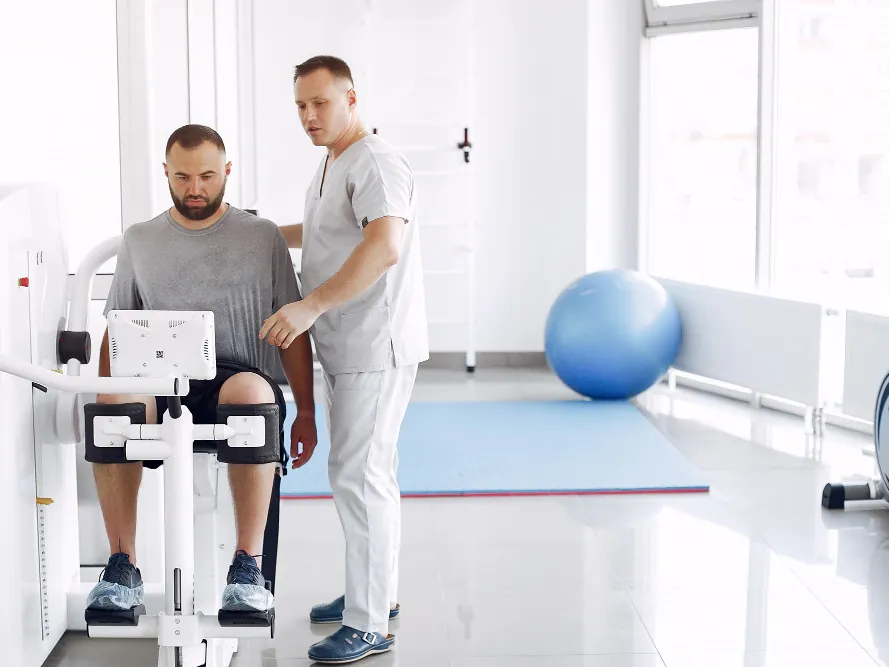
Exercises that strengthen the thigh muscles, cycling, swimming and walks on level ground reduce pain as effectively as many medicines. A physiotherapist will show you the right exercises, adapted to your joint.
Losing weight, wearing comfortable shoes and avoiding kneeling or lifting heavy loads protect the remaining cartilage and can delay the need for surgery for years.
When to see a rheumatologist
- knee or hip pain has lasted more than a few weeks
- the joint is swollen, warm or “locks”
- the pain wakes you up at night
- you can no longer walk your usual distances
- painkillers no longer help
How Laromed Clinic helps
The rheumatologist listens, examines you, reviews the tests you already have and explains in plain words what is happening and what comes next.
- consultation at the clinic in Chisinau or online by video
- joint ultrasound and intra-articular injections
- a written treatment plan and long-term follow-up
- coordination with physiotherapy and other specialties
FAQ: osteoarthritis
Can osteoarthritis be cured?
Lost cartilage does not grow back, but pain and mobility can improve a great deal with treatment, exercise and weight loss. Many patients end up living without daily pain.
Do joint injections damage the joint?
When given on your doctor's advice and not too often (usually no more than 3–4 a year in the same joint), injections are safe and useful during pain flares.
Can I exercise if I have osteoarthritis?
Yes, and exercise is recommended. Walking, swimming, cycling and strengthening exercises are suitable; jumping and high-impact sports should be avoided during flares.
When is surgery needed?
Joint replacement is considered when pain and limited movement remain severe despite proper treatment. Your rheumatologist will refer you to an orthopedic surgeon at the right time.
Medically reviewed: Dr. Larisa Rotaru, rheumatologist, MD PhD. The information on this page is general and does not replace a medical consultation.
