
Inflammatory back pain: when back pain is a sign of rheumatic disease
Most back pain is “mechanical” and goes away within a few weeks. But there is a different kind of back pain — inflammatory — that affects young people, wakes you up at night and improves with movement. It can be the first sign of spondyloarthritis and deserves to be assessed by a rheumatologist.
Inflammatory vs mechanical back pain: how to tell the difference
Mechanical pain appears after exertion or an awkward movement, worsens with movement and improves with rest. Inflammatory pain comes on gradually, with no clear cause, and does the opposite: it is worse in the morning and at night, and movement relieves it.
Morning stiffness lasts more than 30 minutes, and the pain may shift from one buttock to the other.
- slow onset, before the age of 45
- waking at night because of pain (in the second half of the night)
- improvement after movement or a warm shower
- morning stiffness lasting more than 30 minutes
Diagnosis: which tests are needed
The rheumatologist asks about the nature of the pain, examines the mobility of your spine and looks for other signs: heel pain, arthritis, psoriasis, uveitis or bowel disease.
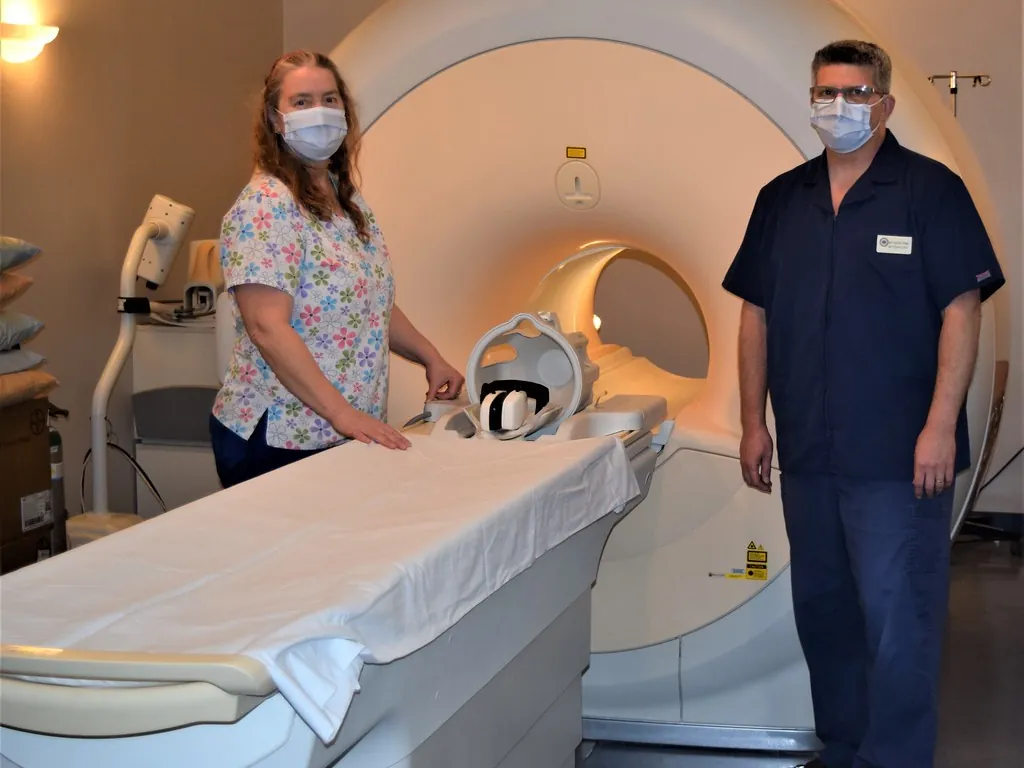
Blood tests include ESR, C-reactive protein and HLA-B27. An MRI of the sacroiliac joints can show inflammation in the early years, when X-rays are still normal.
Inflammatory back pain treatment
Non-steroidal anti-inflammatory drugs (NSAIDs), taken correctly, quickly reduce inflammatory pain — and this good response is itself a diagnostic clue. If active spondyloarthritis is confirmed, very effective biologic therapies are available.
Physiotherapy and daily mobility and posture exercises are part of the treatment, not just an add-on.

What you can do at home
Move every day: walks, swimming, stretching exercises. Avoid sitting still for long periods; get up and move around every hour.
Don't smoke — smoking worsens inflammation of the spine. If the pain changes or new symptoms appear (a red eye, swollen fingers), tell your doctor.

When to see a rheumatologist
- you are under 45 and have had back pain for more than 3 months
- the pain wakes you at night and eases after movement
- you have morning stiffness lasting more than 30 minutes
- anti-inflammatories help a lot, but the pain keeps coming back
- you also have painful red eyes, psoriasis or heel pain
How Laromed Clinic helps
The rheumatologist listens, examines you, reviews the tests you already have and explains in plain words what is happening and what comes next.
- consultation at the clinic in Chisinau or online by video
- joint ultrasound and intra-articular injections
- a written treatment plan and long-term follow-up
- coordination with physiotherapy and other specialties
FAQ: inflammatory back pain
Does all back pain need a rheumatologist?
No. Most back pain is mechanical and goes away on its own. A rheumatologist is needed when the pain is inflammatory in nature or lasts more than 3 months.
Does a normal X-ray rule out the disease?
No. In the early years the X-ray may be normal; an MRI shows inflammation earlier.
Is it better to stay in bed when my back hurts?
Not with inflammatory pain — rest makes it worse. Gentle, regular movement helps.
Medically reviewed: Dr. Larisa Rotaru, rheumatologist, MD PhD. The information on this page is general and does not replace a medical consultation.
