
Bursitis and tendinitis: shoulder, elbow or hip pain — treatment in Chisinau
Not all “joint” pain comes from the joint itself. Very often the pain comes from the tendons (tendinitis) or from the bursae that protect them (bursitis) — in the shoulder, elbow, hip, knee or heel. With a precise diagnosis, often by ultrasound, treatment is simple and effective.
The most common types of bursitis and tendinitis
In the shoulder — rotator cuff tendinitis: pain when raising the arm and at night, when lying on that shoulder. In the elbow — “tennis elbow” or “golfer's elbow”: pain when gripping objects. In the hip — trochanteric bursitis: pain on the outer side of the hip when lying on that side.
In the knee, bursitis can occur in front of the kneecap or on the inner side, and in the heel — Achilles tendinitis or plantar fasciitis.
- pain when raising your arm or lying on your shoulder at night
- elbow pain when gripping or lifting objects
- pain on the outer side of the hip when lying down
- heel pain with the first steps in the morning
Diagnosis by examination and ultrasound
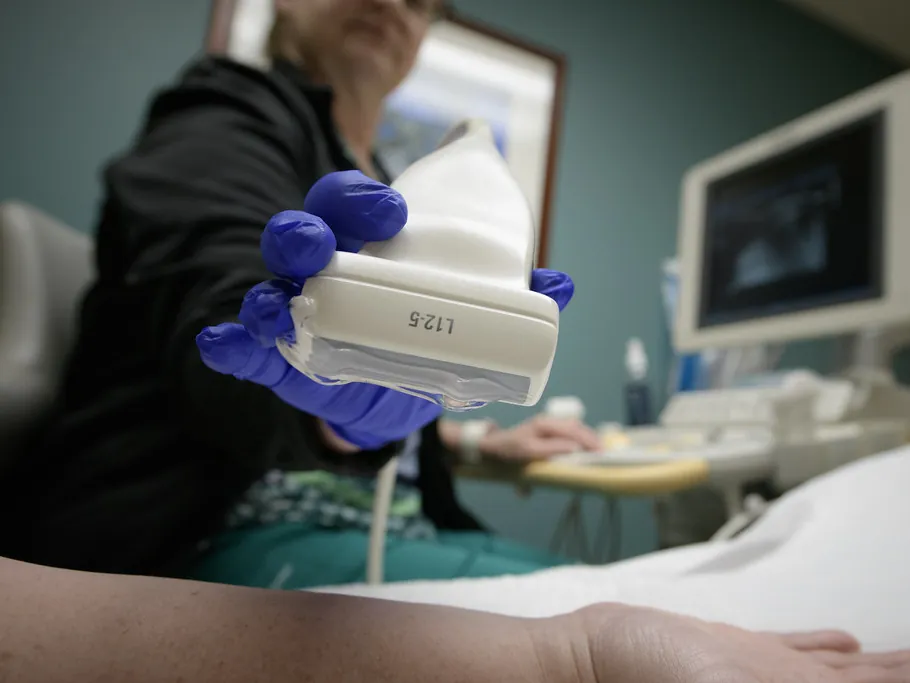
The doctor identifies the painful structure using simple movement tests. Musculoskeletal ultrasound shows a thickened tendon, a partial tear or a fluid-filled bursa, and helps choose the treatment.
Sometimes the pain is a sign of a general condition — inflammatory arthritis, gout or diabetes — which is why the rheumatologist looks at the whole picture.
Treatment: relative rest, injections, physiotherapy
In the acute phase, relative rest (avoiding the movement that hurts, not immobilization), ice and short-term anti-inflammatories help. When the pain persists, a corticosteroid injection into the bursa or around the tendon often brings quick relief.
Physiotherapy, with strengthening and stretching exercises, treats the cause and prevents recurrences.
- periarticular injection, ultrasound-guided when needed
- short-term topical or oral anti-inflammatories
- an exercise program tailored to the affected tendon

Prevention
Warming up before exercise, taking breaks during repetitive work, correct posture at your desk and suitable footwear reduce the risk. Increase sports training gradually.
If the pain keeps coming back in the same place, it is worth reviewing your movement technique or workstation with your doctor and physiotherapist.

When to see a rheumatologist
- the pain has lasted more than 2–3 weeks
- you cannot sleep on the painful shoulder or hip
- you cannot raise your arm or grip objects
- the area is swollen, red or warm
- the pain keeps returning to the same place
How Laromed Clinic helps
The rheumatologist listens, examines you, reviews the tests you already have and explains in plain words what is happening and what comes next.
- consultation at the clinic in Chisinau or online by video
- joint ultrasound and intra-articular injections
- a written treatment plan and long-term follow-up
- coordination with physiotherapy and other specialties
FAQ: bursitis and tendinitis
Does an injection “damage” the tendon?
When done correctly, for the right reason and not too often, an injection is safe. The doctor avoids injecting into the tendon itself and recommends a limited number of injections.
Do I need to immobilize my arm?
Usually not. Relative rest (avoiding painful movements) is better than complete immobilization, which can lead to a stiff shoulder.
How long does healing take?
From a few weeks to a few months, depending on the tendon and how long the problem has lasted. Regular exercise speeds up healing.
Medically reviewed: Dr. Larisa Rotaru, rheumatologist, MD PhD. The information on this page is general and does not replace a medical consultation.
