
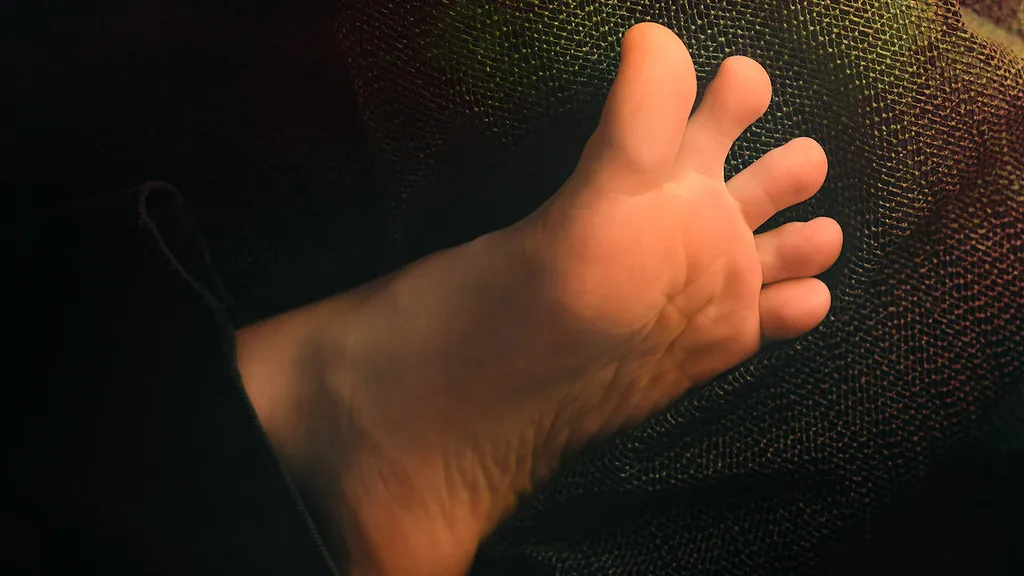
- Around 55.8 million people had gout in 2020, and the number could reach 95.8 million by 2050 (Lancet Rheumatology, 2024).
- Men are affected more than 3 times as often as women.
- Excess weight accounts for about a third of the disability caused by gout worldwide.
What gout is and why it happens
Gout occurs when uric acid in the blood exceeds the threshold at which it stays dissolved and begins to form crystals in the joints. These crystals trigger a violent inflammatory reaction, hence the intense, sudden pain typical of an attack.
Uric acid comes from the breakdown of purines, substances found in food and in your own cells. Levels rise when the kidneys struggle to excrete it (the most common cause) or when the body produces too much. Genetics, excess weight, alcohol, fructose-sweetened drinks, some diuretics and chronic kidney disease are the main factors.
What a gout attack looks like
The typical attack starts at night or early morning: within hours, the joint at the base of the big toe becomes red, swollen, hot and so painful that even a bedsheet cannot be tolerated. The ankle, knee, wrist or fingers can also be affected.
Without treatment, the attack lasts 7–14 days and disappears completely, which leads many to believe the problem has resolved. In reality the crystals remain in the joint, and attacks become more frequent and longer over time. Large crystal deposits are called tophi and can appear on the ears, elbows or fingers.
Diagnosis: not just uric acid
Many patients are surprised that uric acid can be normal in the middle of an attack. That is why the diagnosis rests on the clinical picture and, when in doubt, on analysis of joint fluid, where the crystals are seen under the microscope. Joint ultrasound can show crystal deposits as a characteristic double line.
- Serum uric acid: repeated 2–4 weeks after the attack, when the value is meaningful
- Creatinine and glomerular filtration rate: kidney function influences treatment
- Blood glucose, lipid profile, blood pressure: gout often goes hand in hand with metabolic syndrome
- Joint ultrasound or, in special cases, joint aspiration
Treating the attack and the disease long term
During an attack, the sooner treatment starts, the more effective it is. EULAR recommendations include low-dose colchicine, non-steroidal anti-inflammatories or oral or intra-articular corticosteroids, depending on your other conditions. Resting the joint and applying ice help.
The real treatment, however, is lowering uric acid below 6 mg/dL (360 µmol/L), and below 5 mg/dL in patients with tophi. Allopurinol is the first-line medicine, started at a low dose and increased gradually. The first months of treatment can trigger attacks, which is why low-dose colchicine is added temporarily. Treatment is long term, and stopping it brings the attacks back.
Diet and lifestyle: what really matters
Diet alone lowers uric acid by about 1 mg/dL, so it is rarely enough by itself, but it reduces attack frequency and helps control weight and blood pressure. You do not need an endless list of bans, just a few consistent changes.
- Limit beer and spirits; wine in small amounts has a smaller impact
- Avoid drinks sweetened with sugar or fructose, including fruit juices
- Cut down on offal (liver, kidney), excess red meat, seafood and large amounts of oily fish
- Low-fat dairy, coffee and cherries are associated with a lower risk of attacks
- Drink enough water (about 2 litres a day) and maintain a healthy weight through gradual loss, not crash diets
When to see a doctor
- You have had a suddenly red, hot and very painful joint, even if it went away on its own
- Attacks are recurring or affecting several joints
- Your uric acid is raised on tests and you have kidney stones or kidney disease
- You notice hard lumps (tophi) on your ears, elbows or fingers
Frequently asked questions
If my uric acid is high but I have no pain, do I need treatment?
In most cases, hyperuricaemia without symptoms is not treated with medication but through lifestyle and monitoring. The exceptions are decided by your doctor, for example in kidney disease or at very high values.
Can I stop allopurinol once I no longer have attacks?
It is not recommended. The absence of attacks means the treatment is working, not that the disease has gone. Stopping leads to the crystals re-forming and attacks returning within months or years.
Do tomatoes and legumes trigger gout?
Current evidence shows that purines from vegetables, including beans, lentils and spinach, do not increase the risk of an attack. The focus is on alcohol, sweetened drinks, red meat and offal.
Sources
- GBD 2021 – Global, regional, and national burden of gout, 1990–2020, and projections to 2050 (Lancet Rheumatology, 2024)
- EULAR evidence-based recommendations for the management of gout: 2016 update (Annals of the Rheumatic Diseases)
- WHO – Musculoskeletal health (fact sheet, 2022)
The data presented come from public sources and published scientific studies; they describe populations, not individuals. A diagnosis is made only after a medical consultation. Laromed Clinic updates this page periodically as new data become available.
